New study: The Agentic AI gap
Read now
Combining AI technologies with satellite imagery to monitoring bark beetles
91% precision in detecting bark beetles to protect forests
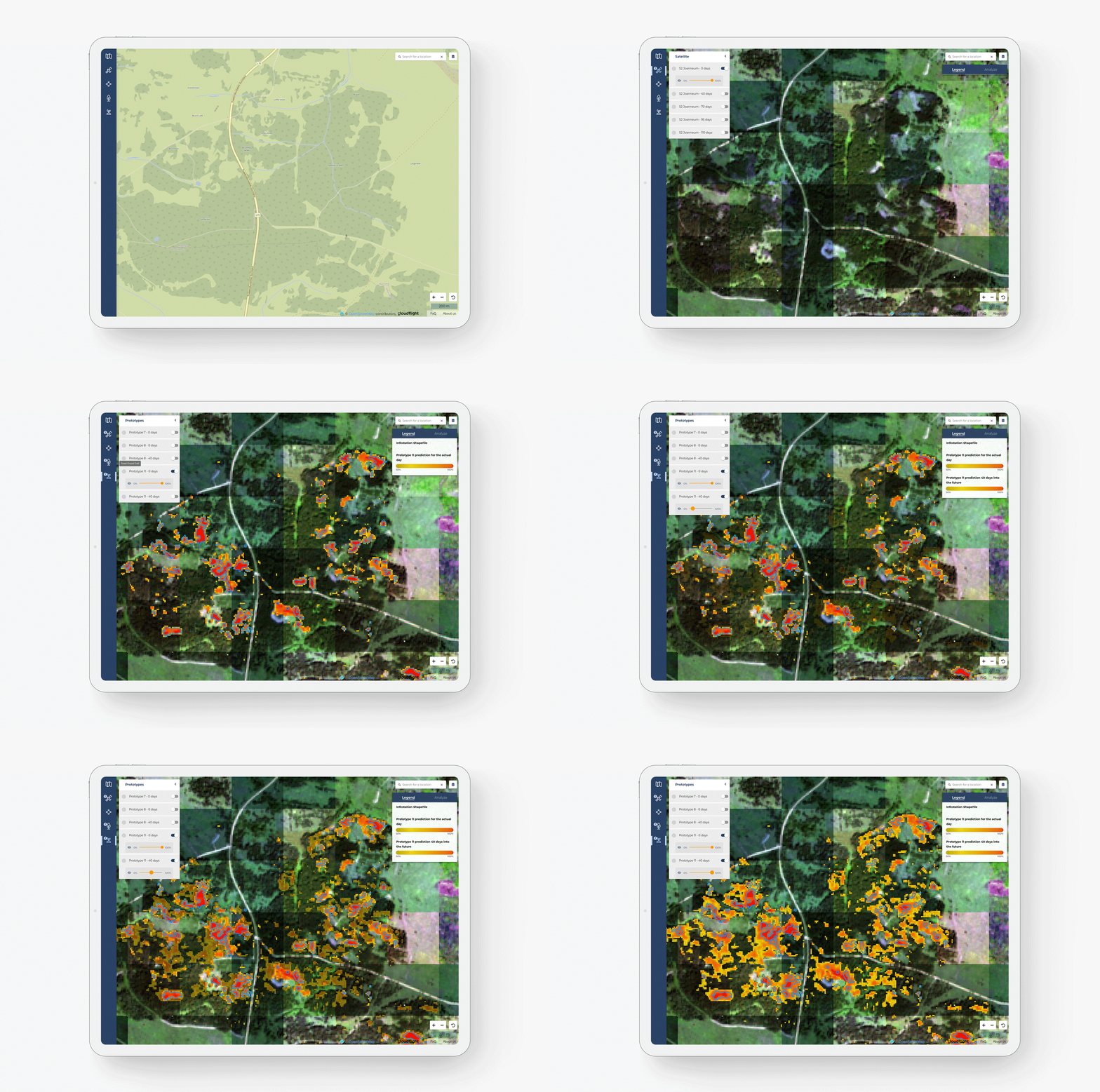
Bark beetles are a serious threat to our forests and economy and manual assessments do not provide enough protection. By combining AI technologies with satellite imagery to support operational bark beetle monitoring in Austria. The goal is to detect beetles before they spread too far and to predict future beetle infestation – from space!

pixel-wise F1 score
cluster-wise F1 score
precision
recall
The challenge
Protect forests from the beetle threat
Severe summer droughts lead to record levels of bark beetle-related damage. Just in 2019 in Central Europe, the estimated damage by bark beetles was 5.5 Mio cubic meters resulting in an economic loss of approximately 165 Mio € (Landwirtschaftskammer Österreich, 2019).
Currently, bark beetle monitoring in Austria is mainly done by calculating beetle populations from beetles in pheromone traps or by site visits by foresters at hot-spot areas. These methods lack information on full spatial coverage, are time-consuming and costly.
Foresters need, on the one hand, rapid spatial information on bark beetle occurrences to avoid the expansion to nearby trees. On the other hand, models that highlight risk areas and can predict future outbreaks.
The idea
Rapid AI Prototyping to minimize processing time
For this project, our self-developed AI implementation method named “Rapid AI Prototyping” has been used, which helps to minimize coding and processing time and allows to create a new prototype or release version at any point.
The goal was to go beyond state-of-the-art in bark beetle monitoring. By combining AI technologies with satellite imagery, together with our partners FFG & Joanneum Research, the aim was to help foresters to assess the damages created by beetle infestations.
The solution
91% precision in bark beetle detection
The result is a prototype of a near real-time bark beetle monitoring system that can identify and predict bark beetle infestations and high-risk areas fast and reliable.
Our best prototype achieved a pixel-wise F1 score of 76% in detecting infestations on four hectares. The cluster-wise F1 score was even higher, reaching an incredible 95% (Recall = 100%, Precision = 91%). This means that the prototype can detect 100% infested areas correctly.
The findings of this project will support future research activities in the AI-based detection of bark beetle infestation and foster the understanding of bark beetle infestation distribution in general. In this context, in future studies, it will also help predicting short-term bark beetle infestation and respective actions for risk mitigation.
Our partners

FFG
The Austrian Research Promotion Agency (Österreichische Forschungsförderungsgesellschaft) promotes innovation through applied and industrial research with the aim to strengthen the business location in Austria through targeted programs, such as the Austrian Space Applications Programme. ASAP aims on one hand to build national and international networks through multi- and bilateral projects and on the other hand to increase user communities of space technology.

Joanneum Research
Joanneum Research analyzes remote sensing data in order to monitor the environment, develop algorithms for image analysis, process chains for data pre-processing, and generate 3D information from stereo image data.

Umweltdata GmbH (UWD)
Umweltdata GmbH (UMD): Umweltdata is a leading Austrian forest service provider. UWD collaborates in Beat It! by introducing and promoting the derived Products and services to their extensive business, administration and research network in the forestry domain, gathered over its more than 30 years of experience in forest remote sensing and inventory.
Other references


voestalpine myAPP reaches 12,000 employees with central information and strengthens cohesion
For voestalpine, Cloudflight created myAPP – a tailored app that connects 12,000 employees worldwide. It delivers central information, safety alerts, and interactive features that make daily work easier and strengthen team cohesion.




From complexity to order: Containex’s end-to-end partner portal solution
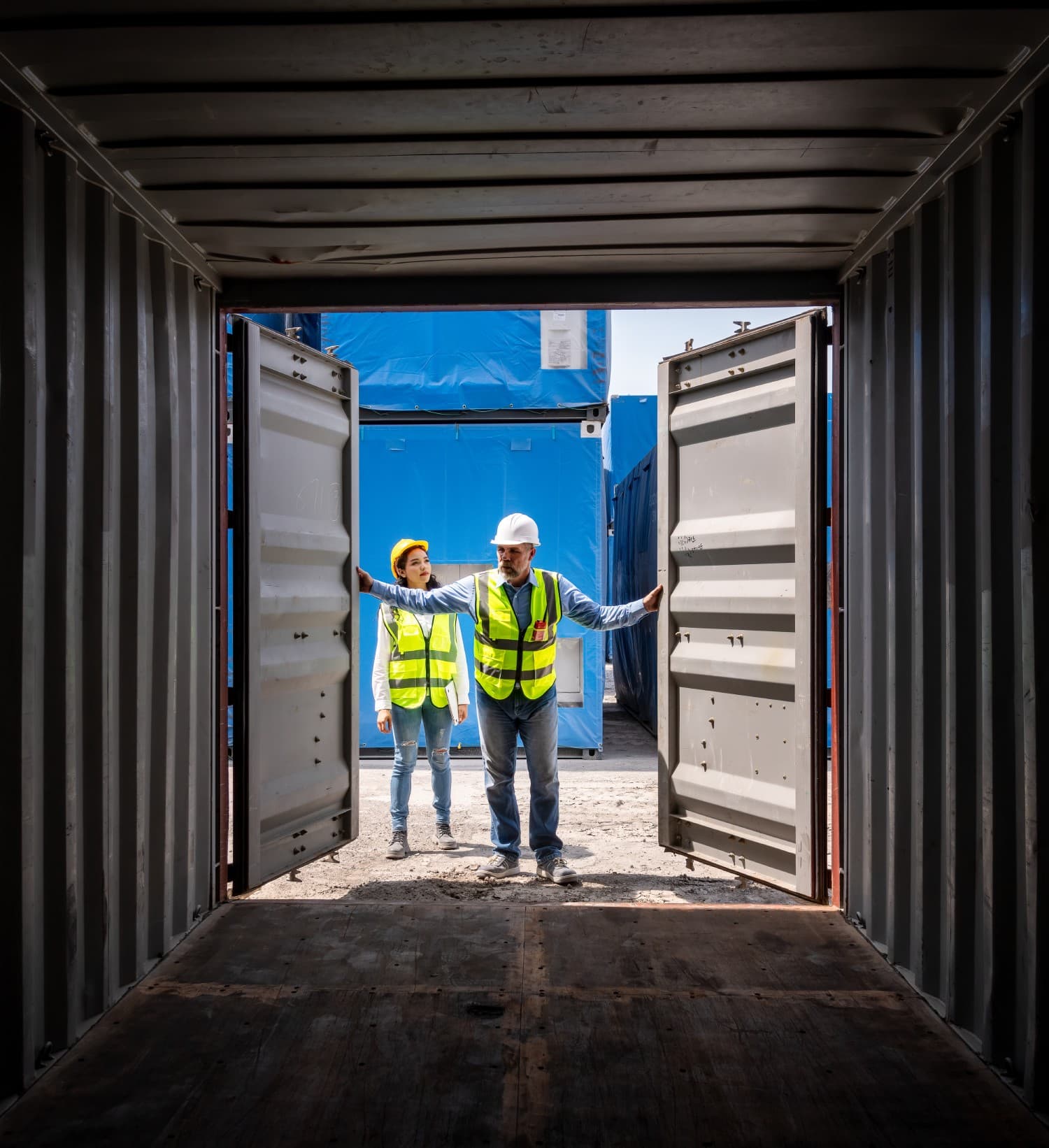
Discover how Containex revolutionized its operations and enhanced client interactions by implementing a custom partner portal. This innovative solution not only cuts down on internal effort but also empowers businesses to seamlessly buy and rent modular buildings and containers, setting new standard
Revolutionizing In-Store Experience
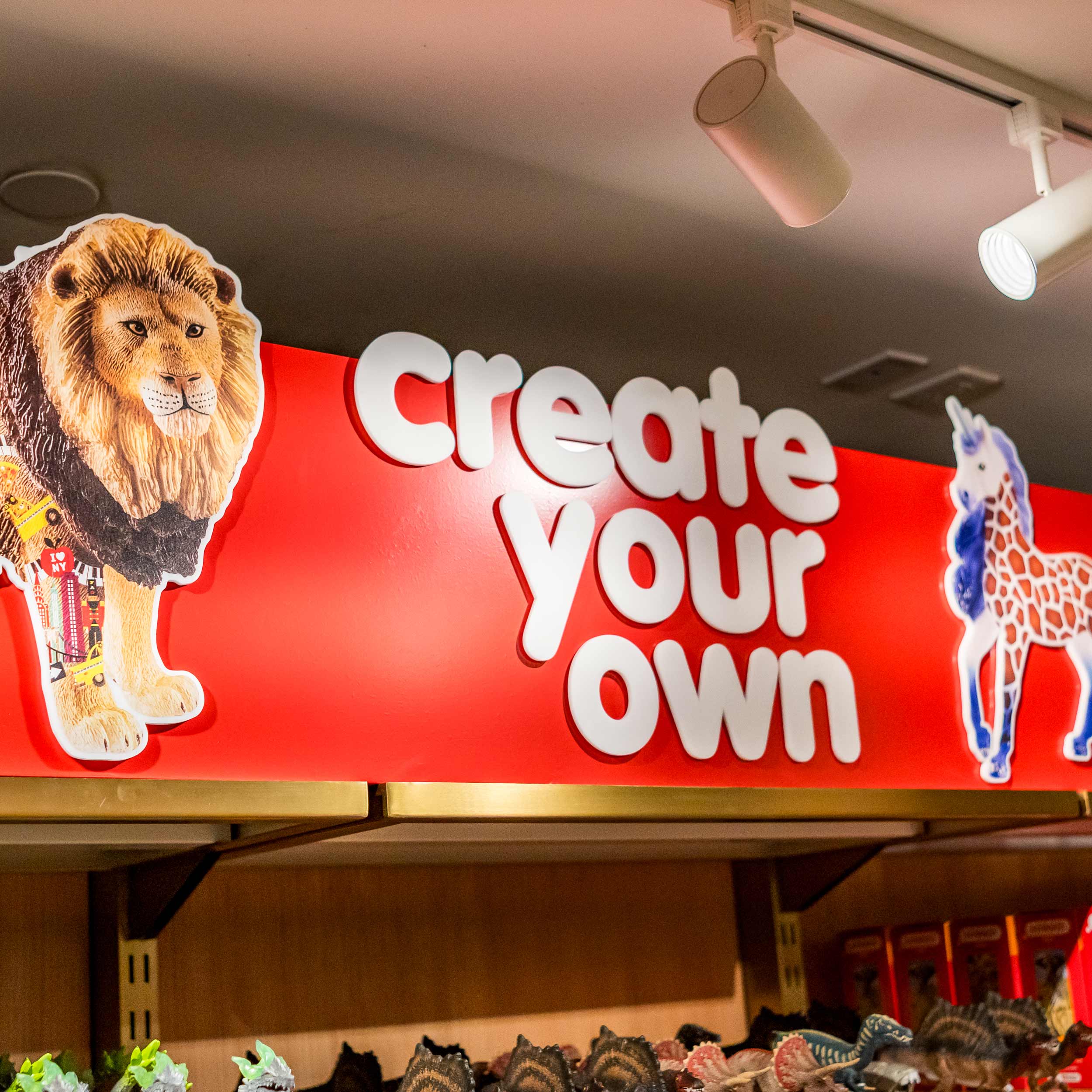
Discover how Schleich, one of Germany's largest toy manufacturers, transformed one of their flagship stores with an innovative interactive app that empowers customers to create personalized figurines. This dynamic solution not only enhances the shopping experience but also seamlessly integrates with

AWS EKS in action: transforming Europe’s leading textile provider
Learn how one of Europeans largest provider of textile solutions gained more agility and efficiency thanks to a new web app based on containers and deployed on a managed EKS cluster. EKS auto-scales to handle traffic & integrates with FluxCD pipelines for automated deployments.



BÉBÉ Concept’s seamless migration to Shopify Plus
BÉBÉ Concept is a women-driven brand offering a curated selection of products for mothers, children, and families, combined with expert insights on parenting and child development, all supported by a seamless migration to Shopify Plus and the integration of PIM Akeneo.