New study: The Agentic AI gap
Read now
Software-based categorization of satellite data
Flexible dataprocessing for land usage
The Copernicus Land Monitoring Service (CLMS) is a European program for monitoring the Earth. It collects data from observation satellites and combines it with observation data from sensor networks on the planet’s surface.

A three-part European suite
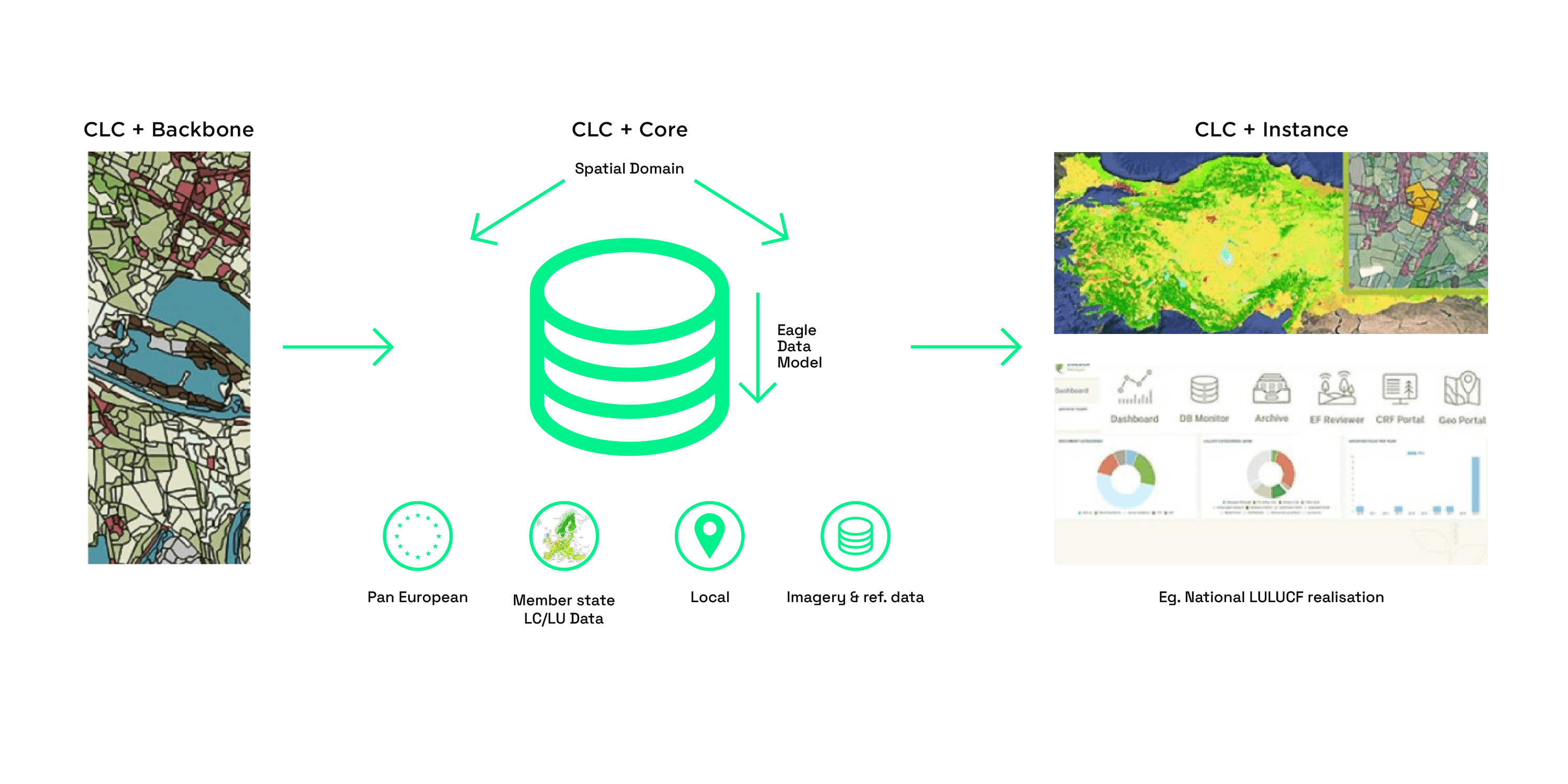
To further complement and extend the existing CLMS products, the European Environment Agency (EEA) created CLC+ suite of products. It consists of three parts: the first is the CLC+ Backbone, which contains some raw data and the infrastructure. The second, called CLC+ Core, allows to consolidate large volumes of land monitoring data using EAGLE nomenclature to output customized information layers that result in the third and final part: CLC+ Instance.
The entire suite will serve as the new standard on aggregating, standardizing, and combining existing land use and land cover data.
Cloudflight is developing the second part of the three – let’s dive deeper into it.
The challenge
One system for 39 countries and ever-changing services
Developing a system that is simple to use, easy to understand, and flexible about the data it accepts, thus providing a viable software solution: this is our challenge in this project. But it goes way beyond that. In fact, the CLC+ Core system will eventually cover the entire territory of the EEA-38 + UK states, amounting to almost 6 million km² in the EU.
To further understand the complexity of a project that will impact several countries, each with its own regulations and needs, it’s important to know more about how CLC+ works. The collected data is processed, providing reliable and up-to-date information within six thematic areas: land, marine, atmosphere, climate change, emergency management and security.
The products and services (and their priorities) are continually evolving, but it doesn’t happen in a vacuum: stakeholder communities help with their creation and development through consultations, giving advice from the Copernicus User Forum.
The solution
Turning complexity to simplicity: our agile approach
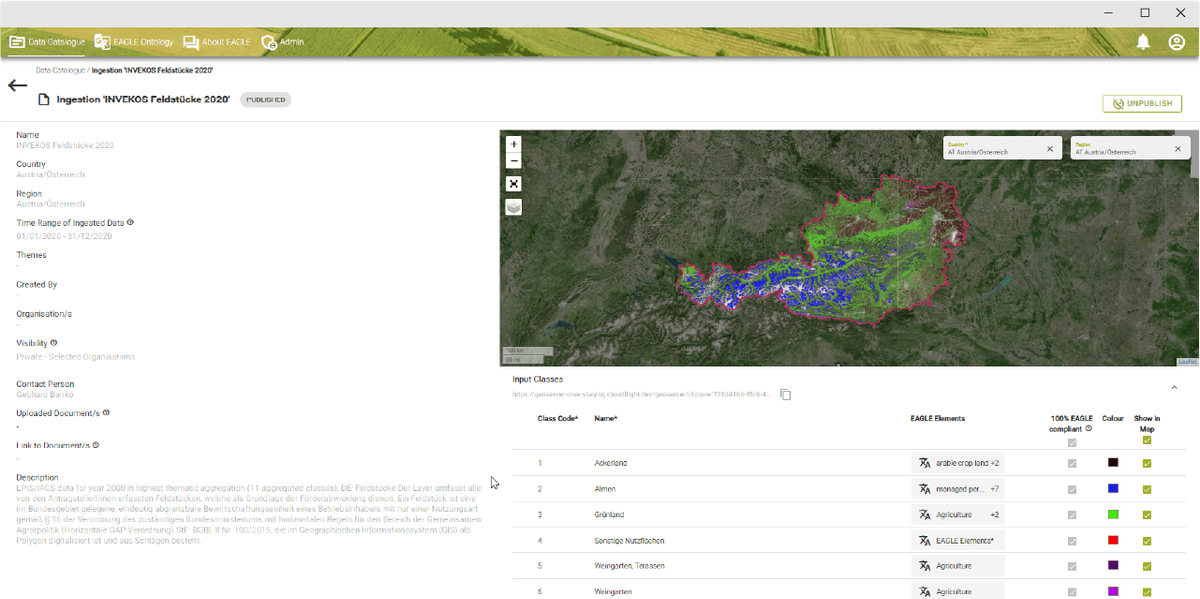
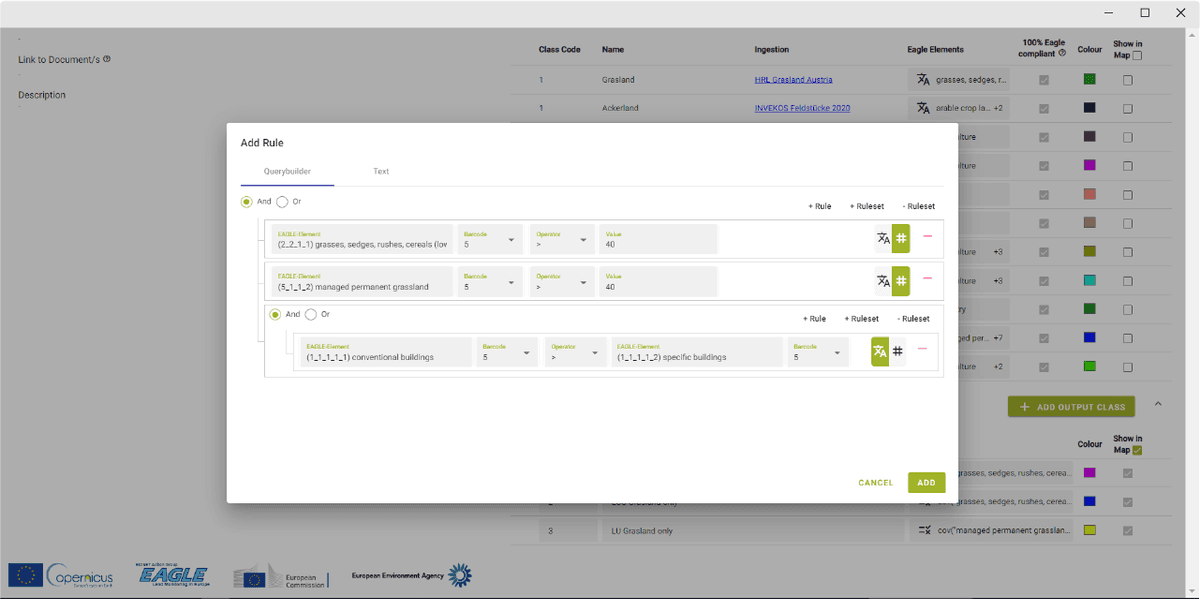
In order to output a CLC+ Instance, the desired datasets have to be imported (ingestion) into the system and the results calculated based on the applied rules (extraction).
The team at Cloudflight created a blueprint, laying out which opportunities to seize and what best practices to adopt in order to make the system suitable for end-users and yet able to cope with huge quantities of data. To face the challenges in front of us, we adopted an agile approach: after outlining a proof of concept, Cloudflight put emphasis on as much end-user involvement as possible, adapting the solution to the customer needs.
Altogether, the system requires simplicity & user-friendliness regarding its handling and flexibility concerning input data -- two things that only an agile, creative approach to software can enable.
If you want to find out more about this project and how to apply agile software development to your field, reach out to us!
Our project partners

EEA
The European Environment Agency is the agency of the European Union which provides independent information on the environment.

GeoVille
GeoVille GmbH is an Austrian-based company with the vision of remapping the unknowns of human activities around the world. The company is dedicated to providing a wide range of value-added services for Earth observation data and GIS applications.

GAF AG
GAF AG, an e-GEOS (Telespazio/ASI) company, was founded in 1985 as one of the first satellite remote sensing companies in Europe, which by now has become an important distributor of commercial Earth observation data.
Other references
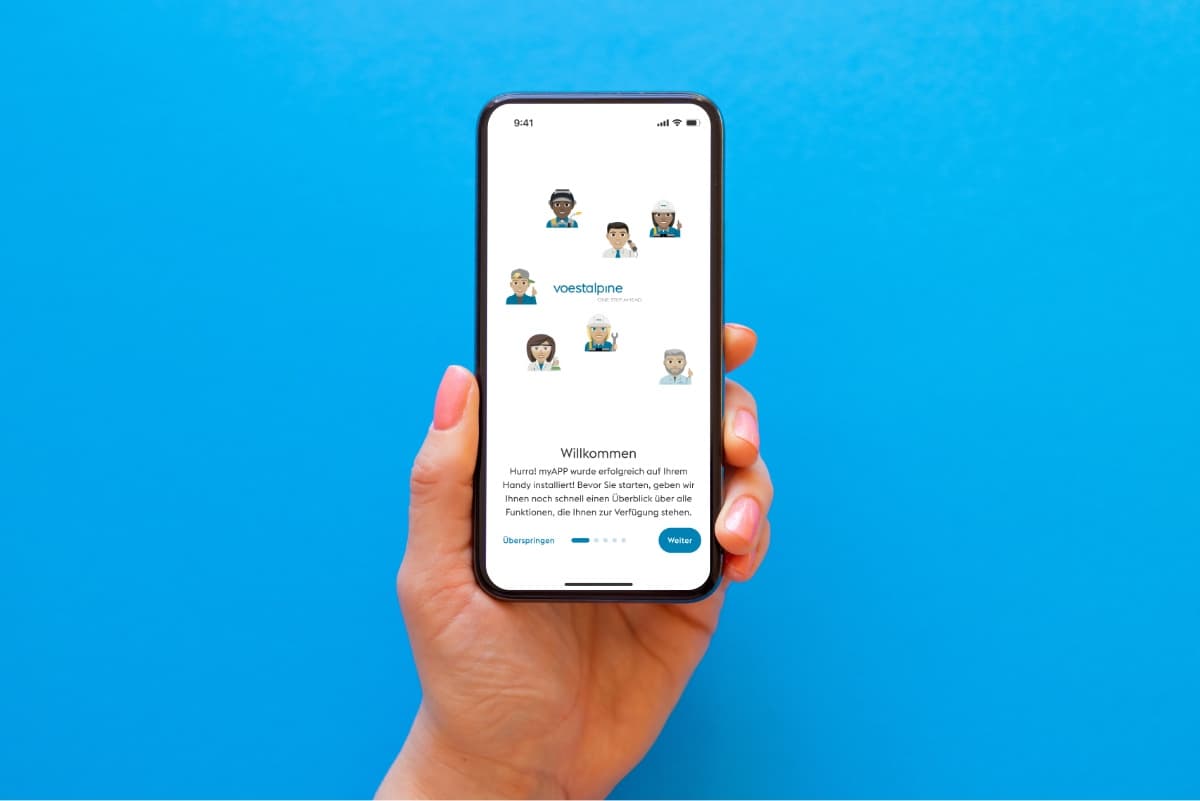
voestalpine myAPP reaches 12,000 employees with central information and strengthens cohesion
For voestalpine, Cloudflight created myAPP – a tailored app that connects 12,000 employees worldwide. It delivers central information, safety alerts, and interactive features that make daily work easier and strengthen team cohesion.


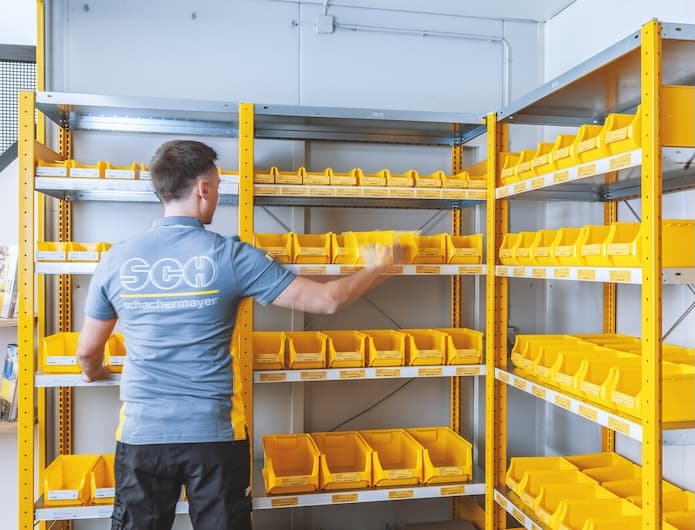


From complexity to order: Containex’s end-to-end partner portal solution
Discover how Containex revolutionized its operations and enhanced client interactions by implementing a custom partner portal. This innovative solution not only cuts down on internal effort but also empowers businesses to seamlessly buy and rent modular buildings and containers, setting new standard
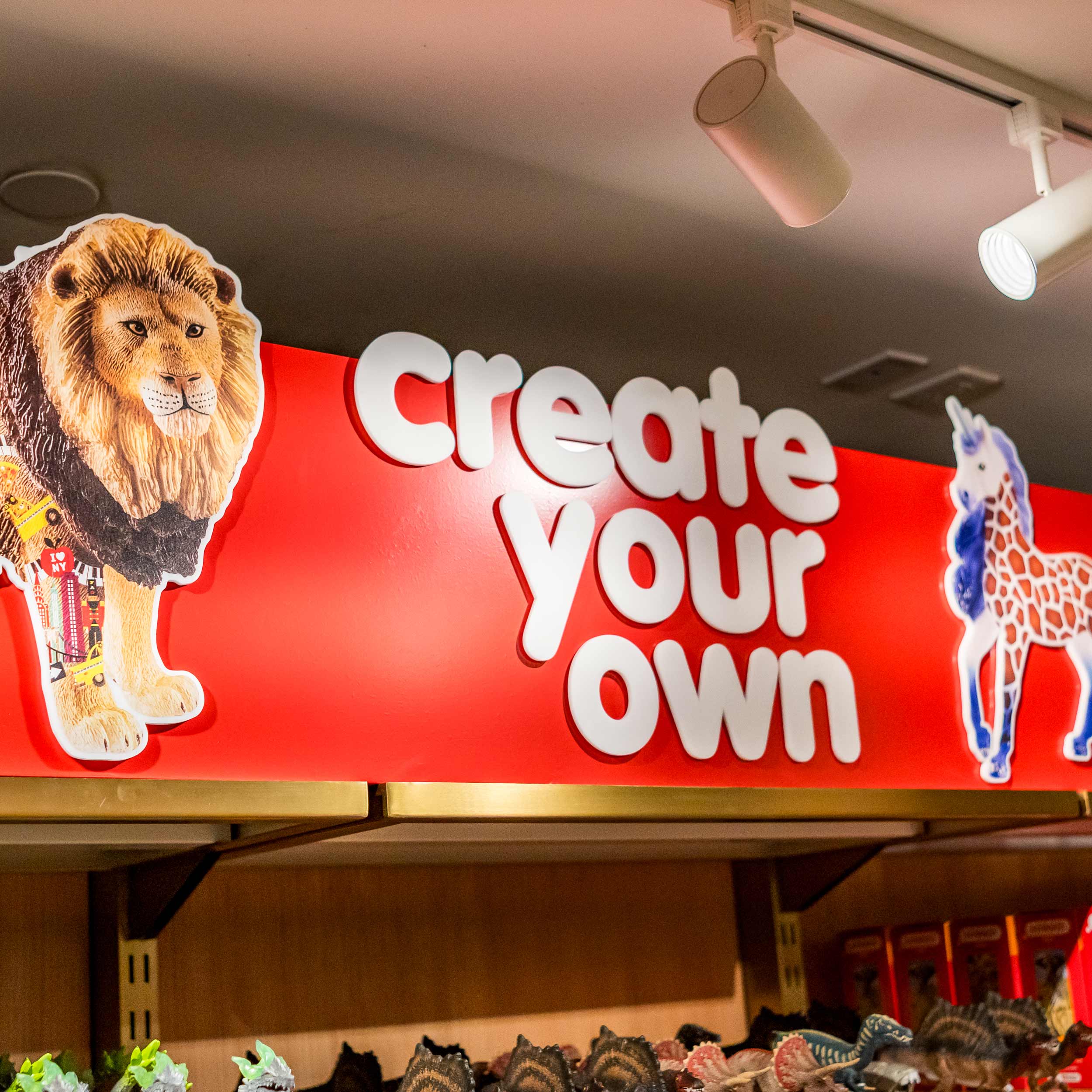
Revolutionizing In-Store Experience
Discover how Schleich, one of Germany's largest toy manufacturers, transformed one of their flagship stores with an innovative interactive app that empowers customers to create personalized figurines. This dynamic solution not only enhances the shopping experience but also seamlessly integrates with

AWS EKS in action: transforming Europe’s leading textile provider
Learn how one of Europeans largest provider of textile solutions gained more agility and efficiency thanks to a new web app based on containers and deployed on a managed EKS cluster. EKS auto-scales to handle traffic & integrates with FluxCD pipelines for automated deployments.
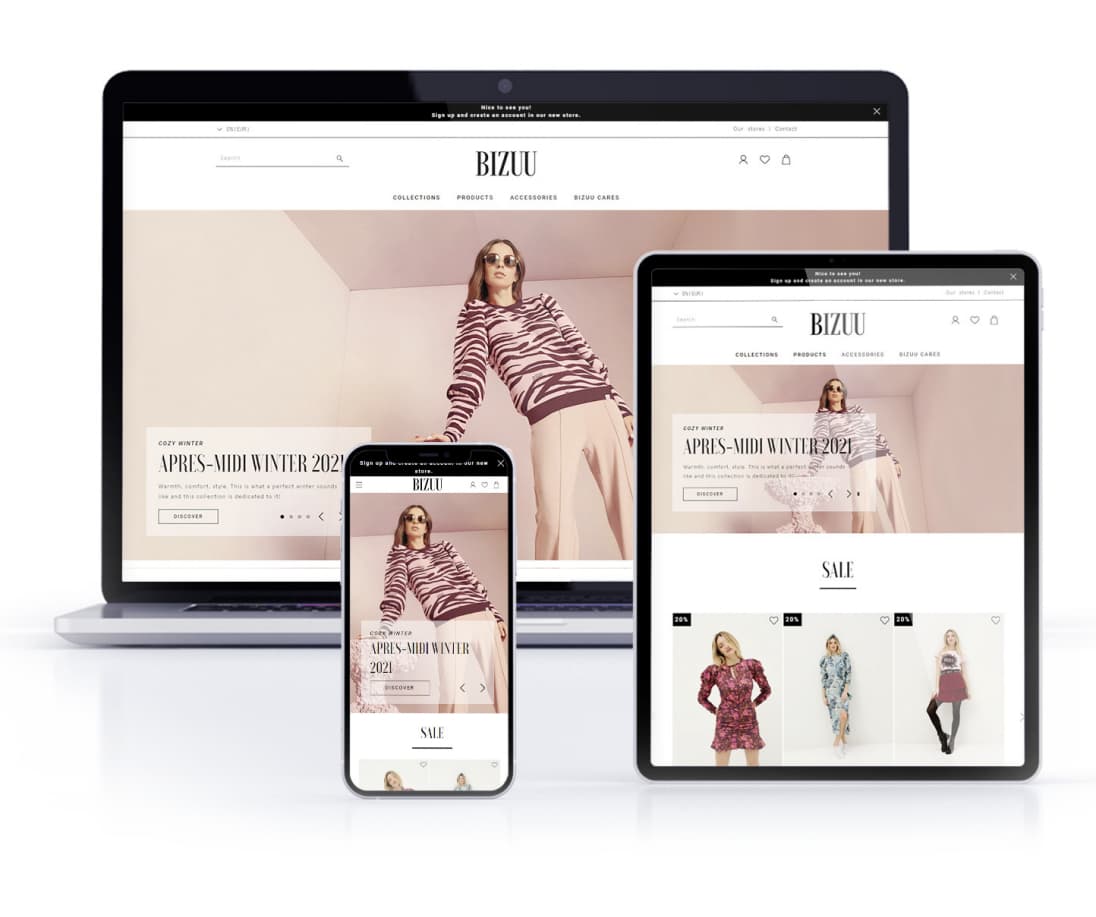


BÉBÉ Concept’s seamless migration to Shopify Plus
BÉBÉ Concept is a women-driven brand offering a curated selection of products for mothers, children, and families, combined with expert insights on parenting and child development, all supported by a seamless migration to Shopify Plus and the integration of PIM Akeneo.