New study: The Agentic AI gap
Read now
eCommerce + Adobe Commerce (Magento)
How Cloudflight helped to design a proposal for the international rollout of a new brand
We created a detailed UX audit and branding workshops, and conducted architecture workshops with the client to determine the optimal eCommerce platform.
The company was looking for growth by introducing new brands and addressing international markets. Considering their ambitious growth plans, our client needed to adjust their branding for the new target groups and prepare their IT architecture.

The Challenge
Why were we asked for help?
The company was looking for growth by introducing new brands and addressing international markets. Considering their ambitious growth plans, our client needed to adjust their branding for the new target groups and prepare their IT architecture.
To prepare for the future of digital commerce and ensure that our client is equipped with a modern and scalable solution, we pointed out a few key milestones and principles:
- Develop a roadmap to create a stable and efficient architecture by adopting an incremental, modular approach
- Plan a step-by-step approach to launch and scale a new shop
- Secure the future of the digital commerce strategy by developing a modern platform to be flexible in the future and follow a best-of-breed approach
- Maintain and improve business agility with easily adaptable software to meet growing needs
The Idea
How did we tackle the tech?
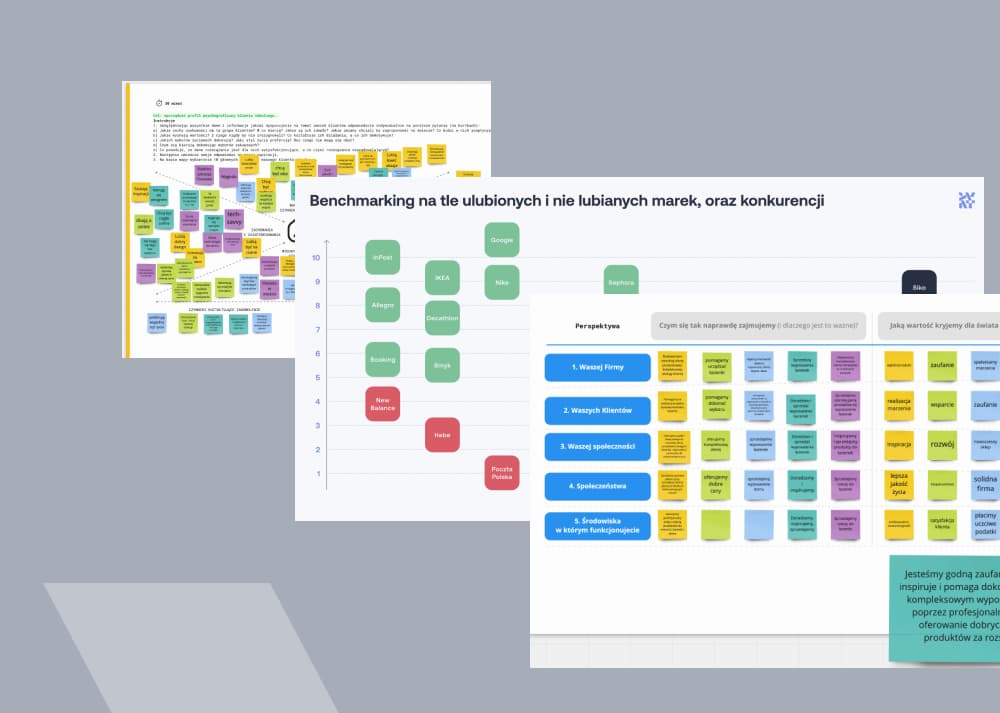
We created a detailed user experience (UX) audit and branding workshops to help the client determine the fundamental values and personality of the newly created brand, values, and market differentiators. The cooperation resulted in a spot-on name for the new brand that’s perfect for scaling in Europe. Before conducting a UX audit, we wanted to know our client's users. This part of the audit is a cognitive walkthrough where the UX auditor takes on the user's role. To do this well, we wanted to know their motivations, needs, expectations, pain points, and frustrations.
Based on the project assumptions, such as out-of-the-box multilanguage and multicurrency features, scaling for other brands and markets, and the ability to build a B2B platform within the same instance, we chose Magento 2 as the core eCommerce platform. Predefined components like connectors with bigger third parties, such as front-end layer, enterprise resource planning (ERP), or eCommerce reduce implementation risks significantly. Regarding scalability, the solution is market-proven global leaders like Carrefour, Bauhaus, or TOUS.
For front-end layer we proposed a standard Adobe Commerce (Magento 2) front end based on the LUMA theme. It allows for further customization as the project grows. For CMS we decided to go with Adobe Commerce's (Magento 2) standard content management system (CMS) module for MVP with the option for replacement soon by a headless standard like Prismic or Storyblok. eCommerce was built with Adobe Commerce (Magento 2) Open Source as the most flexible base ready to support multi-dimensional growth. All product information management (PIM) elements stay on the legacy solution side. In this example, all order management system (OMS) elements remain on the legacy solution side.
Prior to the rollout, the client’s system was a monolith, combining PIM, ERP, CMS, eCommerce, and OMS capabilities. Our solution was a migration based on a strangler pattern. We planned to transition to a more distributed architecture, area by area, starting from the eCommerce engine. With a single Magento 2 implementation, we solved two issues: we opened the platform to a new market and set the foundations for the target system architecture.
The Solution
What did we achieve?
We designed a strong and coherent proposal for the international rollout of a new brand. It included a new brand idea, a set of UX recommendations, and a blueprint for a scalable eCommerce architecture customized for the client's needs.
It was a complete roadmap to enter new markets based on our experience with previous clients. For example, our similar Magento implementation for TIM saw the client generate over €150 million in revenue from just the online funnel.