New study: The Agentic AI gap
Read now
Quality Assurance
Non-destructive Testing with Augmented Reality
Intuitive visualization of non-destructive testing results in quality assurance. In recent years, the development of affordable and reliable virtual and augmented reality platforms has gained significant traction, especially from the consumer electronics industry.

Inspecting in Augmented Reality
The idea of this research project is to utilize these relatively low-cost platforms with the imaging capabilities of modern NDT measurement techniques to enable an intuitive and accurate inspection workflow.
We developed a system that makes it easy to visualize NDT data using AR devices to simplify and accelerate processes for the operator.
The challenge
High standards and cumbersome processes
The ever-growing need for Non-Destructive Testing – especially in industries striving for „zero failure production“ – has led to an abundance of high resolution, multidimensional scan data sets. While these data sets enable an unprecedented level of quality of the component to be inspected, they don’t come without challenges:
Visualizing and inspecting these data sets is a time-consuming and largely non-intuitive process – with the biggest challenge being the registration of the scan data on the real-world component. Here’s where we entered the equation.
The solution
From data to images to your tested components
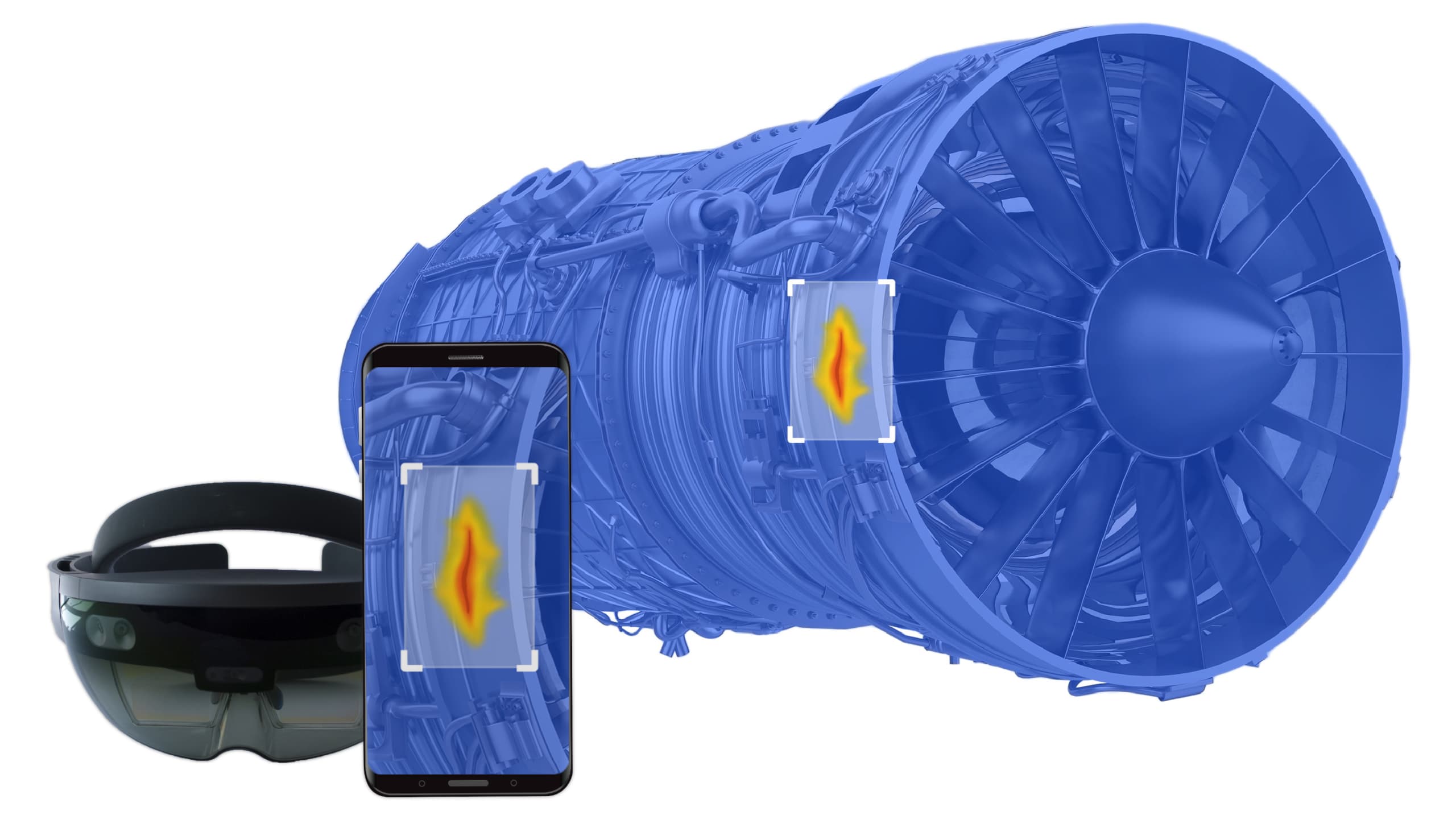
Together with our partner ReceNDT, one of the leading research companies in the field of non-destructive testing, we have developed a system that enables the user to project measured test results directly onto the component they were taken from.
For this purpose, we defined a process that clearly specifies how the measurement data is to be prepared in order to enable seamless interaction between the virtual data and the real component. The system itself relies on Augmented Reality technology that visualizes the data.
This entails that the system is always ready to adapt to the ever-developing field of Augmented Reality, where the concept of “state-of-the-art” is far from constant and unchanging.
By mapping NDT scan results onto the tested component, co-registration can be achieved. This allows the overlay of location-dependent measurement data on the component, allowing the operator of such a system to quickly inspect parts of the component both physically and through the scan dataset.
The system transforms scan data into color-coded images which can then be projected onto the real component as an overlay, thus simplifying the operator’s perception: this does not only accelerate the inspection process, but it also enables the detection of otherwise easy-to-overlook defects.
To find out more about this project, get in touch with us! We can help you discover how you can either leverage the use of your data with AR, or accelerate your own quality-assurance processes.

ReceNDT
ReceNDT coordinated this research project. The measurement of 3D freeform objects and the generation of the NDT results that can be used by the software.
Other references
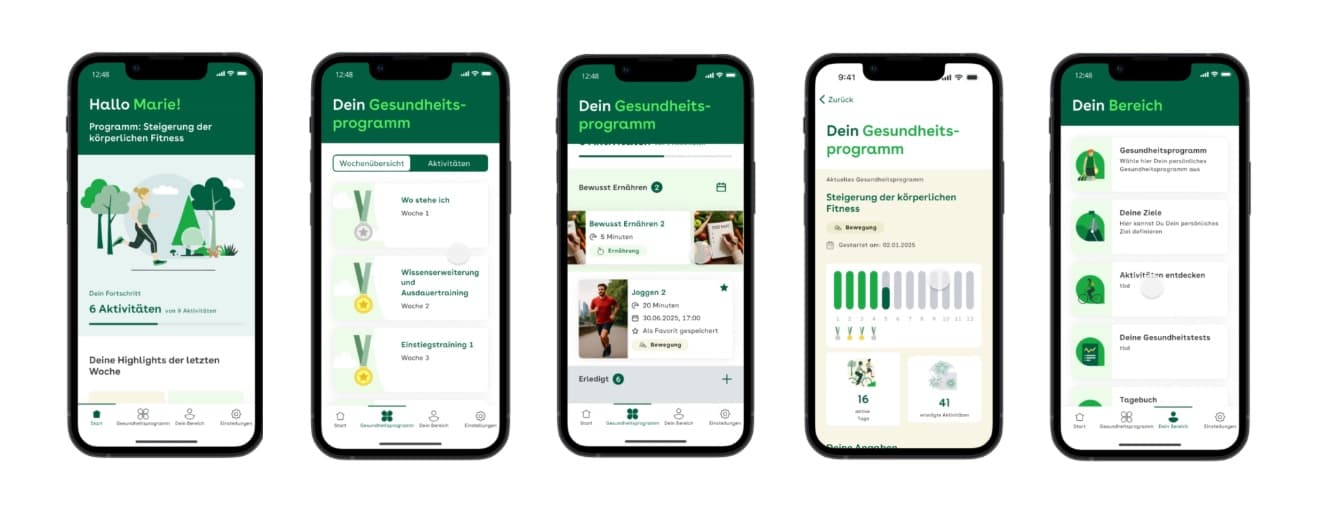
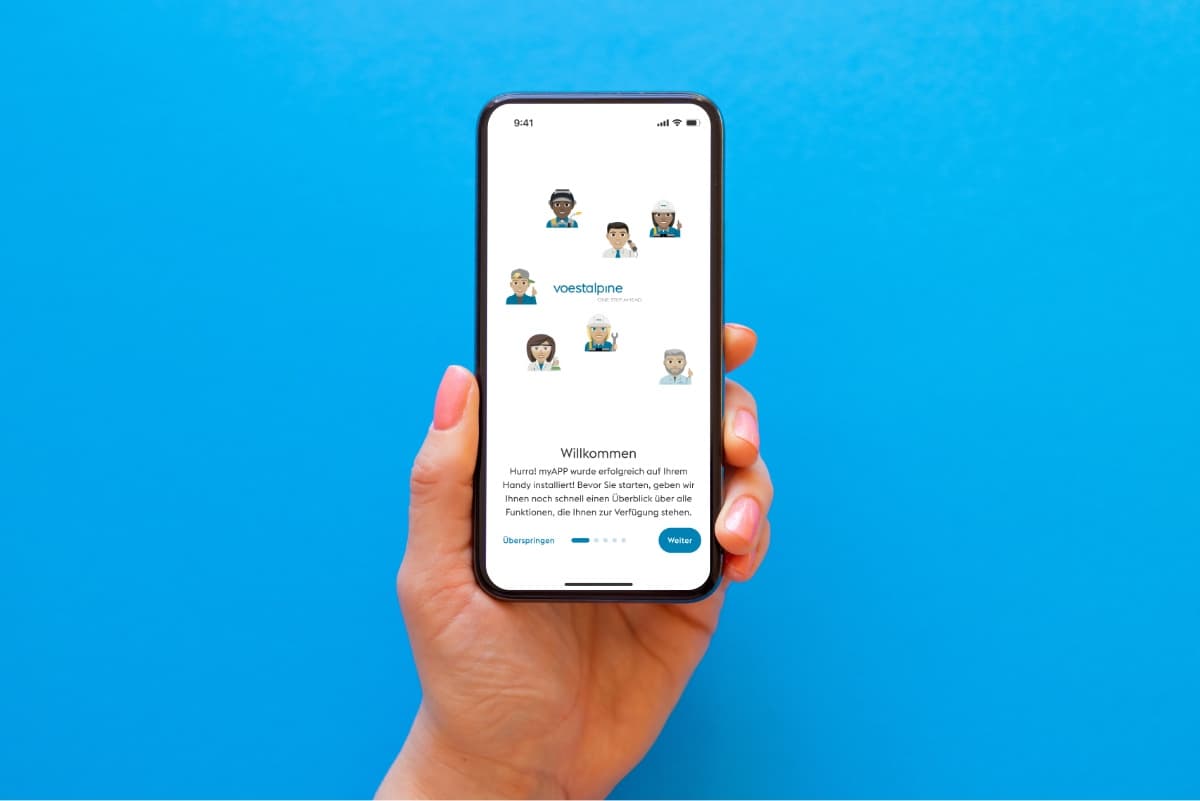
voestalpine myAPP reaches 12,000 employees with central information and strengthens cohesion
For voestalpine, Cloudflight created myAPP – a tailored app that connects 12,000 employees worldwide. It delivers central information, safety alerts, and interactive features that make daily work easier and strengthen team cohesion.



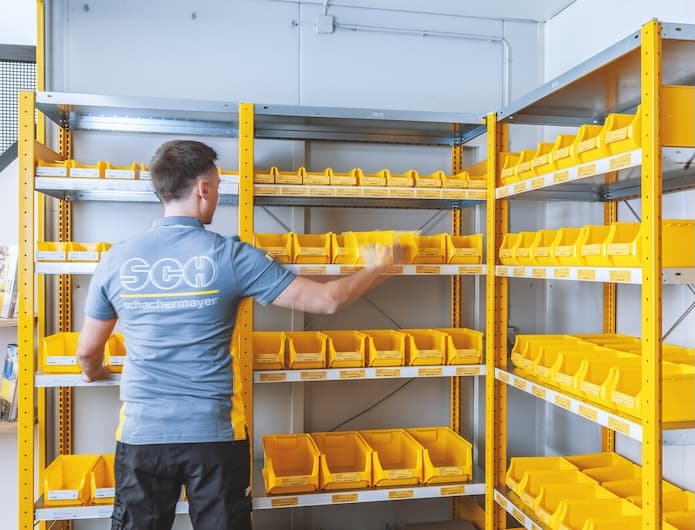

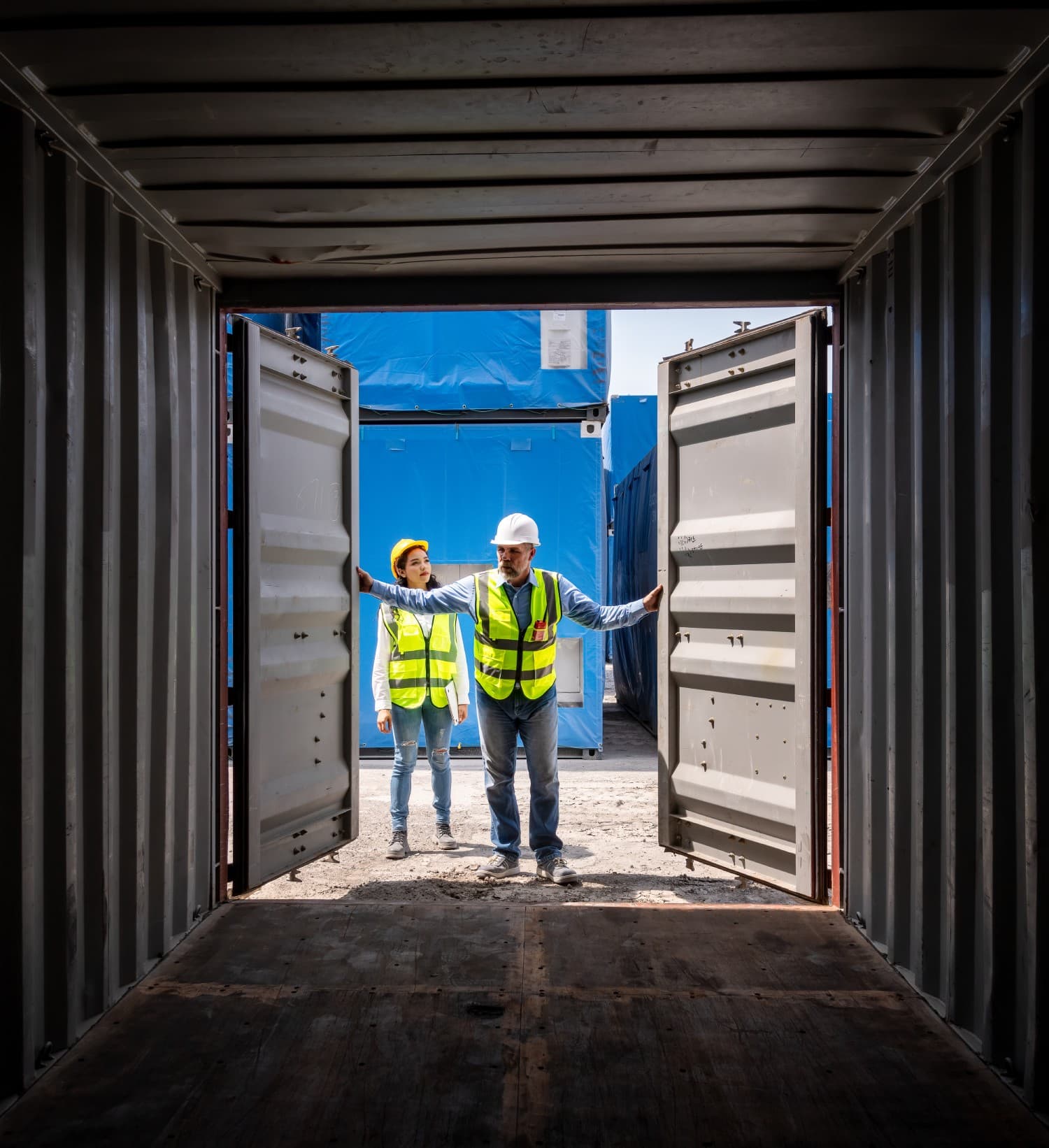
From complexity to order: Containex’s end-to-end partner portal solution
Discover how Containex revolutionized its operations and enhanced client interactions by implementing a custom partner portal. This innovative solution not only cuts down on internal effort but also empowers businesses to seamlessly buy and rent modular buildings and containers, setting new standard
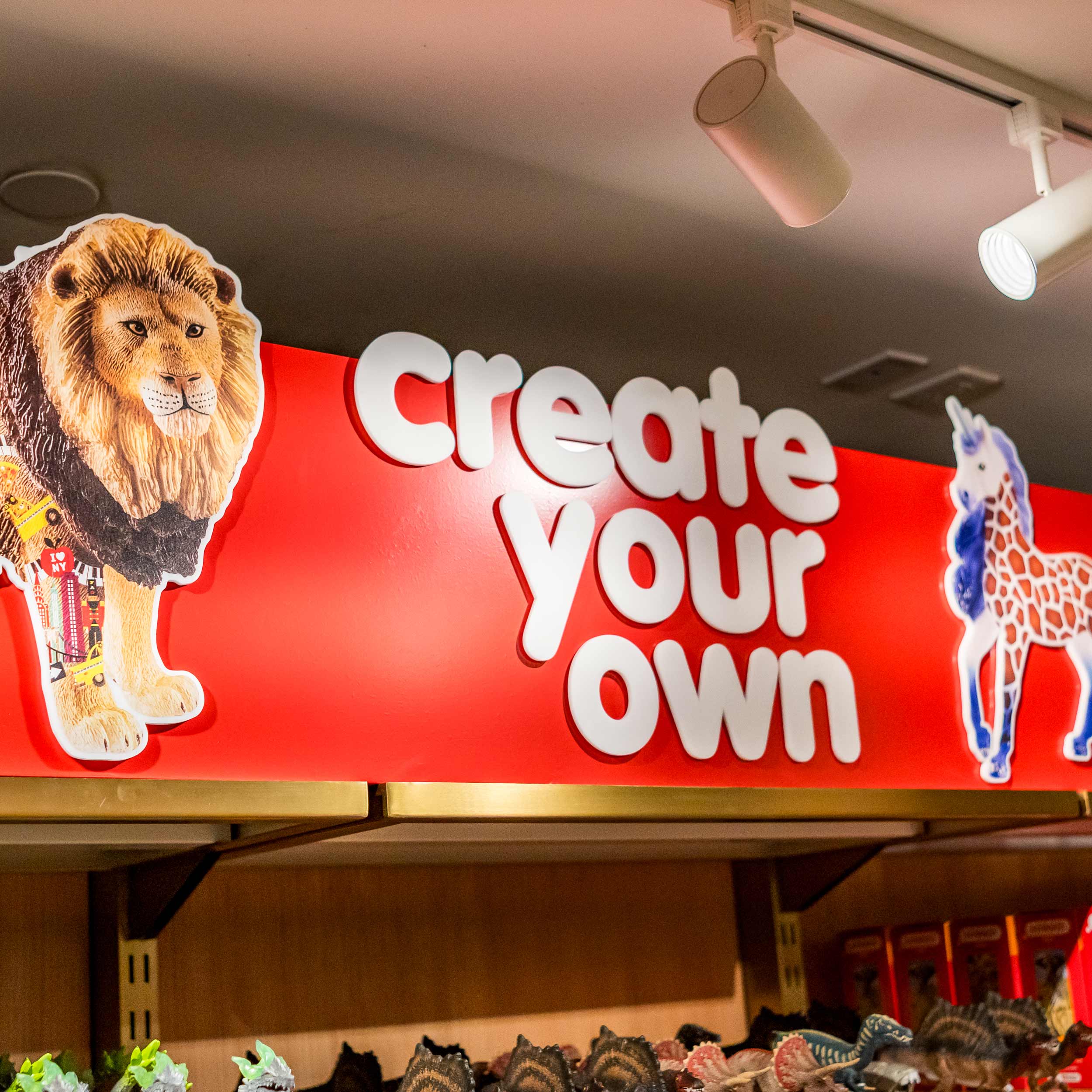
Revolutionizing In-Store Experience
Discover how Schleich, one of Germany's largest toy manufacturers, transformed one of their flagship stores with an innovative interactive app that empowers customers to create personalized figurines. This dynamic solution not only enhances the shopping experience but also seamlessly integrates with

AWS EKS in action: transforming Europe’s leading textile provider
Learn how one of Europeans largest provider of textile solutions gained more agility and efficiency thanks to a new web app based on containers and deployed on a managed EKS cluster. EKS auto-scales to handle traffic & integrates with FluxCD pipelines for automated deployments.
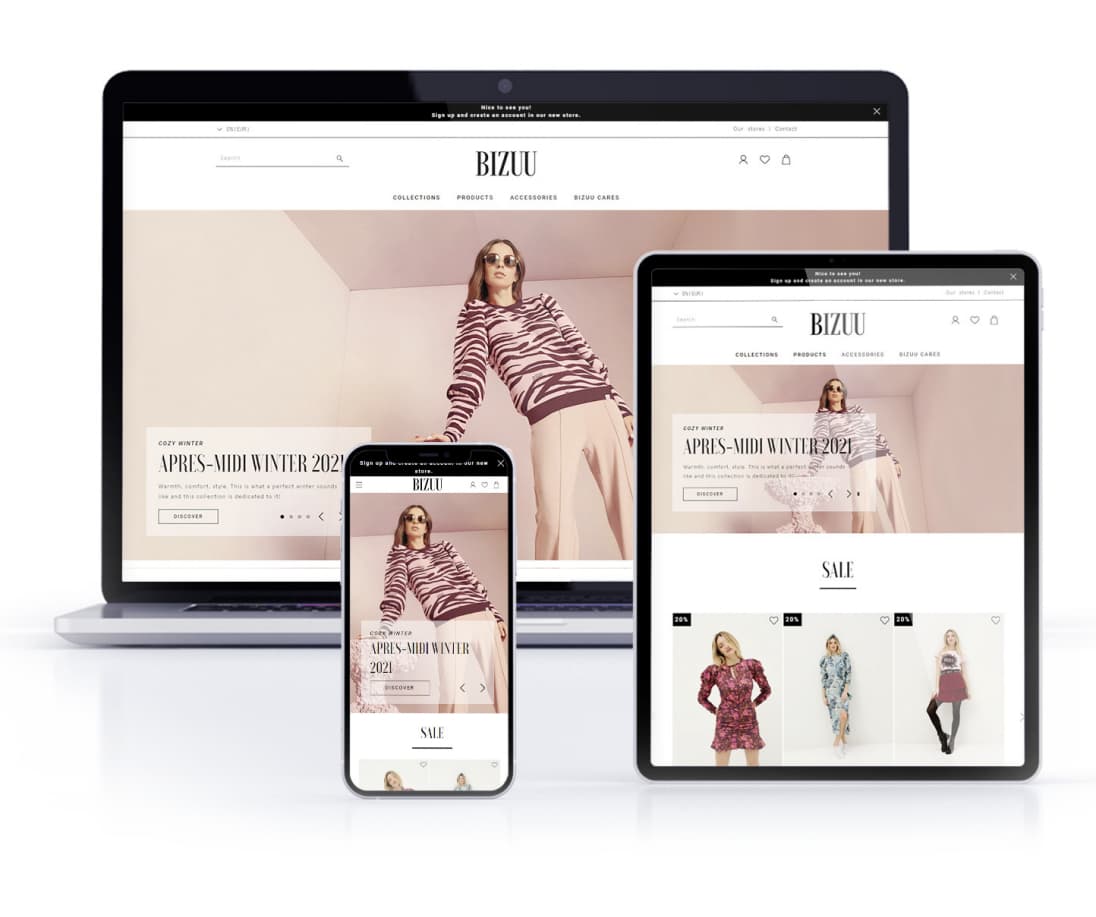


BÉBÉ Concept’s seamless migration to Shopify Plus
BÉBÉ Concept is a women-driven brand offering a curated selection of products for mothers, children, and families, combined with expert insights on parenting and child development, all supported by a seamless migration to Shopify Plus and the integration of PIM Akeneo.